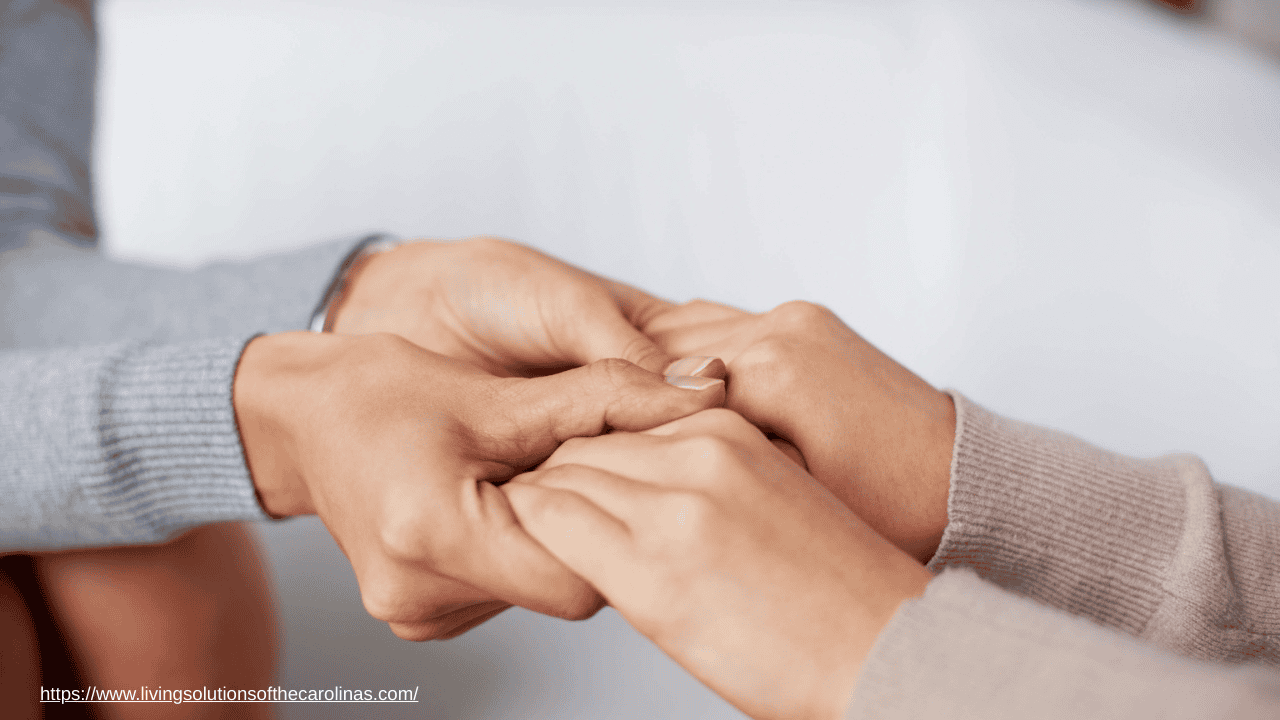
 Recovery from addiction and mental health challenges is not a path that should be walked alone. While personal determination plays a vital role, the people who walk alongside you can make all the difference. A supportive recovery network made up of peers, family members, and professionals creates a foundation for lasting wellness. At Living Solutions of the Carolinas, we believe that healing happens in community, where both compassion and professional guidance come together to provide strength and direction.
Why Support Systems Matter in Recovery
One of the most difficult aspects of addiction and mental health struggles is the feeling of isolation. Recovery requires breaking free from harmful patterns, and this is far easier when surrounded by people who offer encouragement, accountability, and empathy. A strong support system:
-
Reduces feelings of loneliness and shame.
-
Provides accountability during difficult moments.
-
Encourages healthy lifestyle changes.
-
Creates opportunities to share experiences and learn from others.
The Unique Role of Peer Support
Connection Through Shared Experience
Peers who have walked through similar struggles offer a kind of support that professionals alone cannot replicate. Their understanding comes from lived experience, which fosters a sense of trust and relatability. In recovery groups, clients often feel a deep sense of connection because they realize they are not alone in their challenges.
Building Motivation and Hope
Peer support also provides hope by showing that long-term recovery is possible. Seeing others succeed reinforces the belief that healing can be achieved. Many individuals credit peer mentors and recovery groups as essential sources of motivation during their journey.
The Essential Role of Professional Care
Guidance from Trained Experts
While peer support brings understanding, professional care provides the tools and strategies needed to address the underlying causes of addiction and mental health issues. Licensed therapists, medical providers, and recovery specialists offer structured treatment plans tailored to each individual.
Comprehensive and Individualized Treatment
At Living Solutions of the Carolinas, professional care includes inpatient and outpatient treatment, counseling, holistic practices, and faith-based support. Each program is designed to meet clients where they are and provide personalized care that addresses mind, body, and spirit.
Combining Peer and Professional Support
The most effective recovery networks include both peer and professional care. This combination allows individuals to benefit from lived experiences while also receiving evidence-based treatment. Together, these supports create a balanced approach that strengthens resilience, reduces relapse risk, and builds confidence for the future.
Creating a Circle of Support
Recovery networks extend beyond treatment programs. Family members, close friends, and community groups also play an important role in sustaining wellness. When everyone in the circle understands the importance of compassion and accountability, recovery becomes a shared journey rather than a solitary struggle.
Conclusion
Recovery is not only about breaking free from addiction or managing mental health challenges. It is about building a life supported by people who care and professionals who guide with expertise. At Living Solutions of the Carolinas, we help clients create supportive networks that empower lasting change.
If you or a loved one are ready to build a recovery network that blends compassionate peer connection with professional care, reach out today. Healing begins with the right support, and your journey to wellness does not have to be walked alone.